
More room for chess
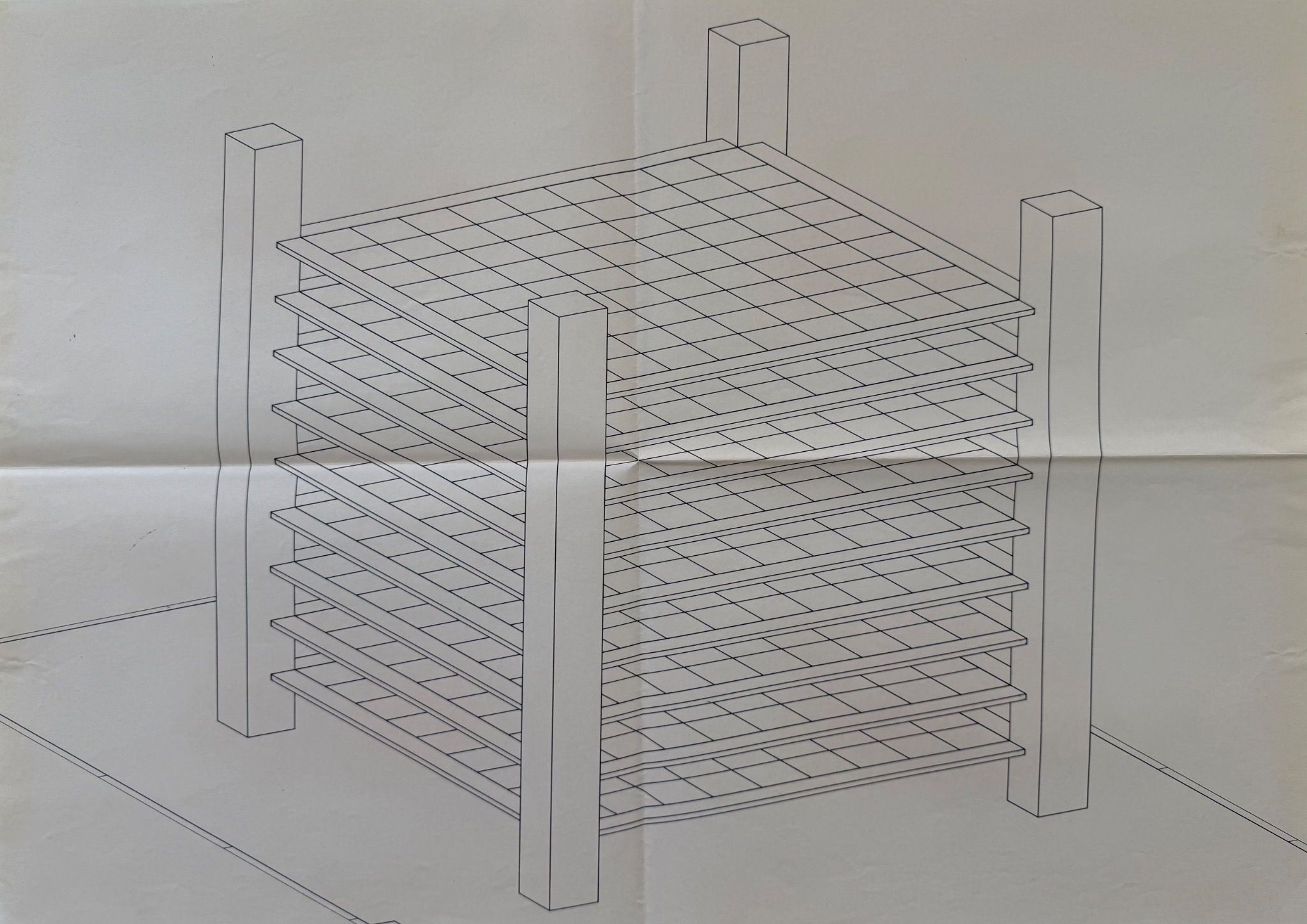
With HyperDimension Chess, I want to extend classical chess into three-dimensional space, not replace it. The familiar 8 × 8 board becomes an 8 × 8 × 8 cube with 512 squares. The familiar pieces remain, with their moves extended into space. There is also an additional piece: the Duke.
I am still fascinated by what changes when attacks and escape routes are no longer limited to a single plane. HDC is my invitation to explore familiar chess ideas from a new perspective.
From an idea to a physical cube
1989: Why not move upwards?
I had long been passionate about chess and spent many hours playing with friends. Sometimes a glass of wine was part of the occasion. During one game, I was under pressure and wondered: why can’t I move my queen diagonally upwards and give check diagonally downwards from there?
That question led to my concept for three-dimensional chess. The science-fiction novels I read so much, including Perry Rhodan, also provided inspiration. The thought of leaving the boundaries of the flat chessboard behind stayed with me.
1990: From drawings to a cube
No more than a year passed between the idea and the prototype. In early 1990, I created the CAD workshop drawings for the cube and its pieces. The physical prototype was complete by the end of 1990.
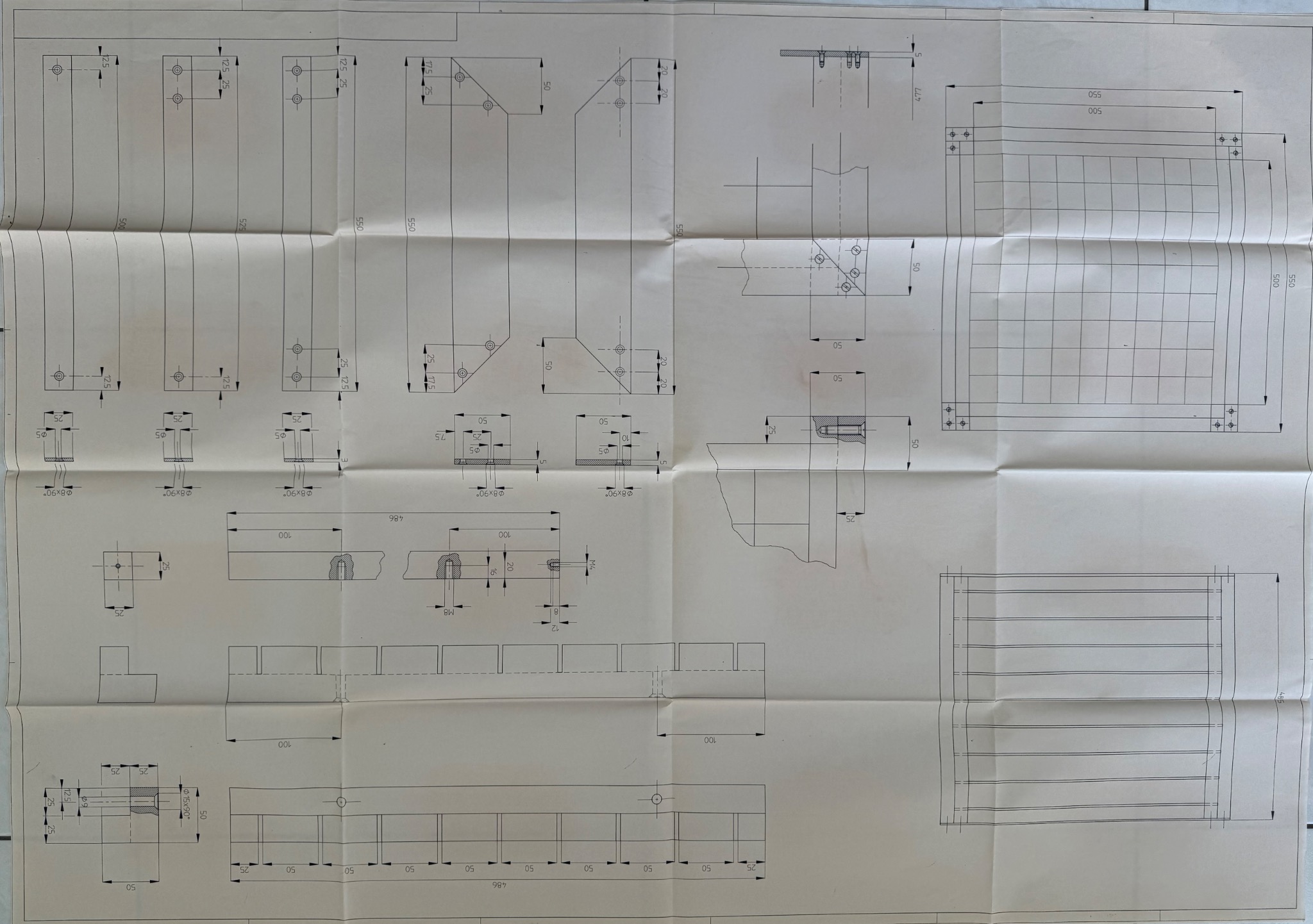
Pieces from the training workshop
A friend who ran the apprentice training department of a precision engineering workshop helped with production. The apprentices milled the pieces from Plexiglas using my drawings.
The complete set of drawings is therefore part of HDC’s story. It shows the designs for all seven types of piece and the basis for making them by hand and machine.
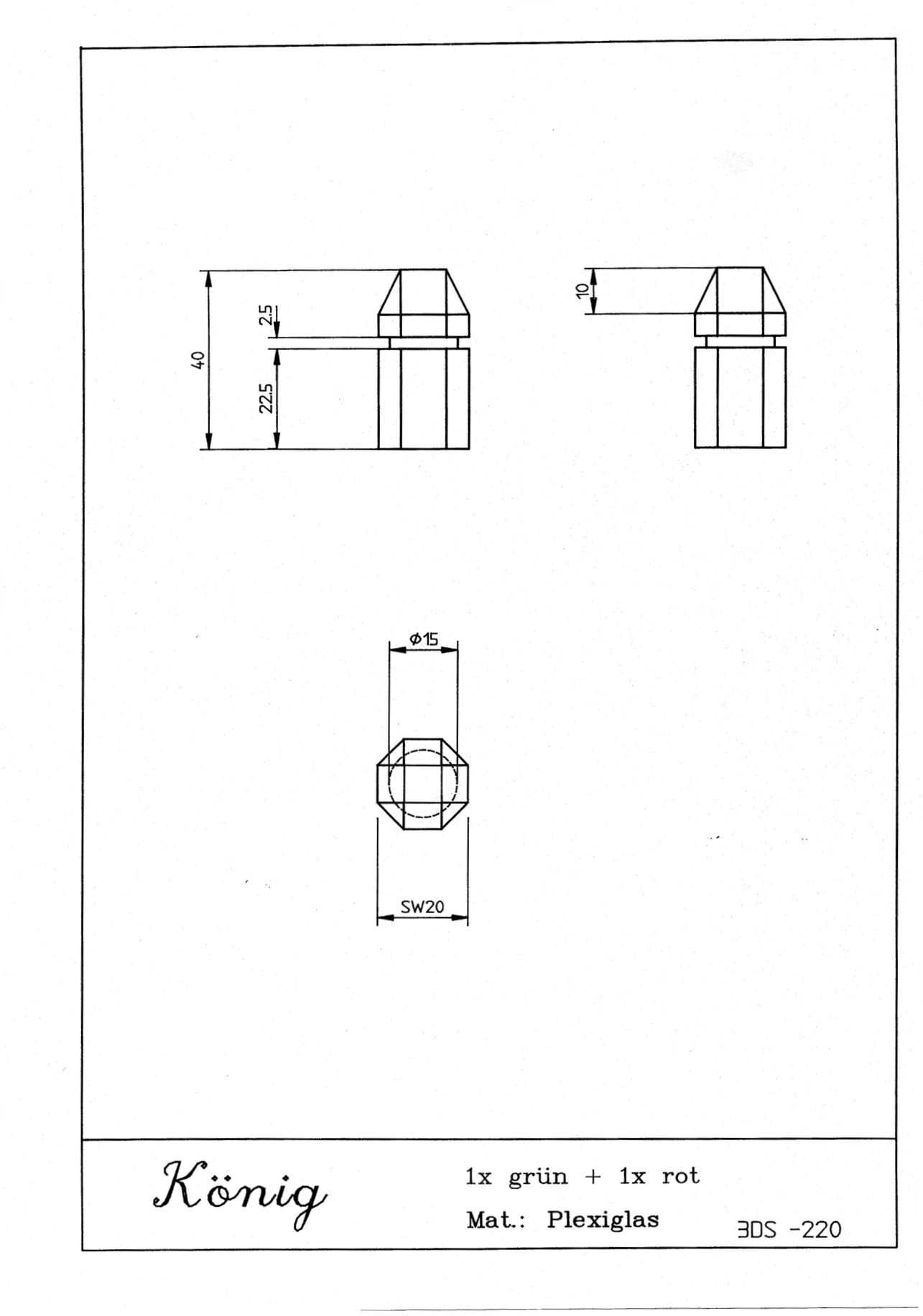
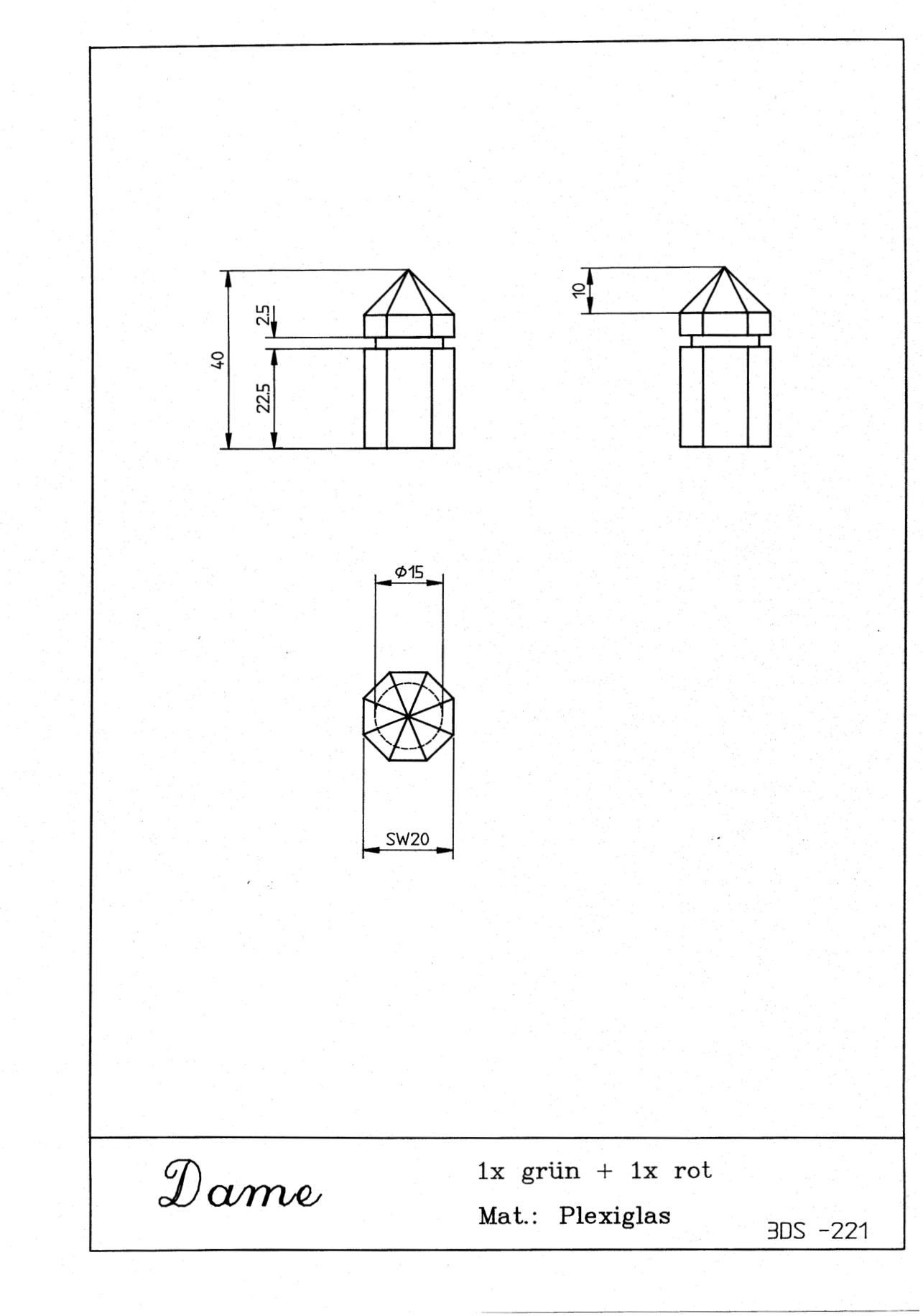
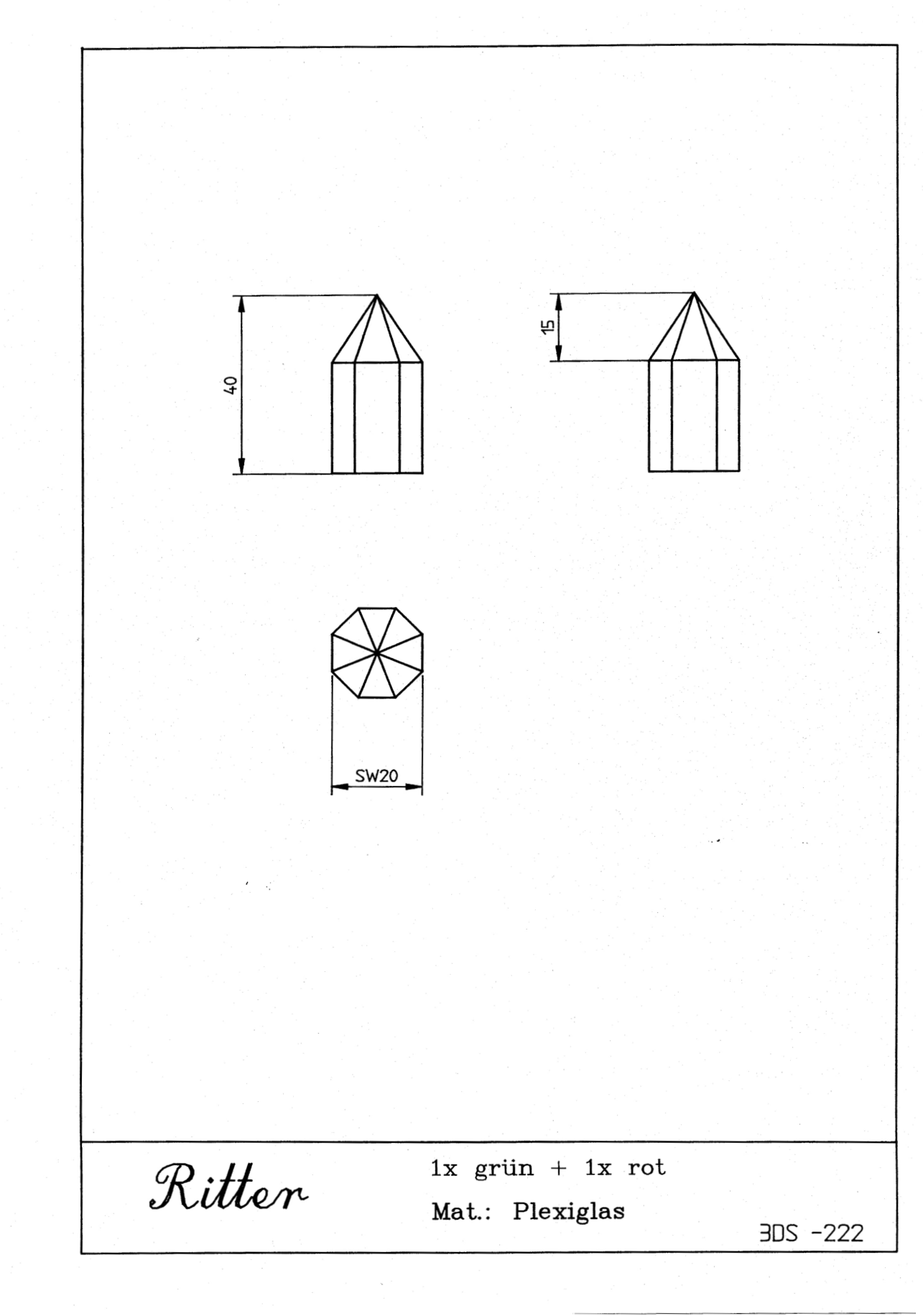
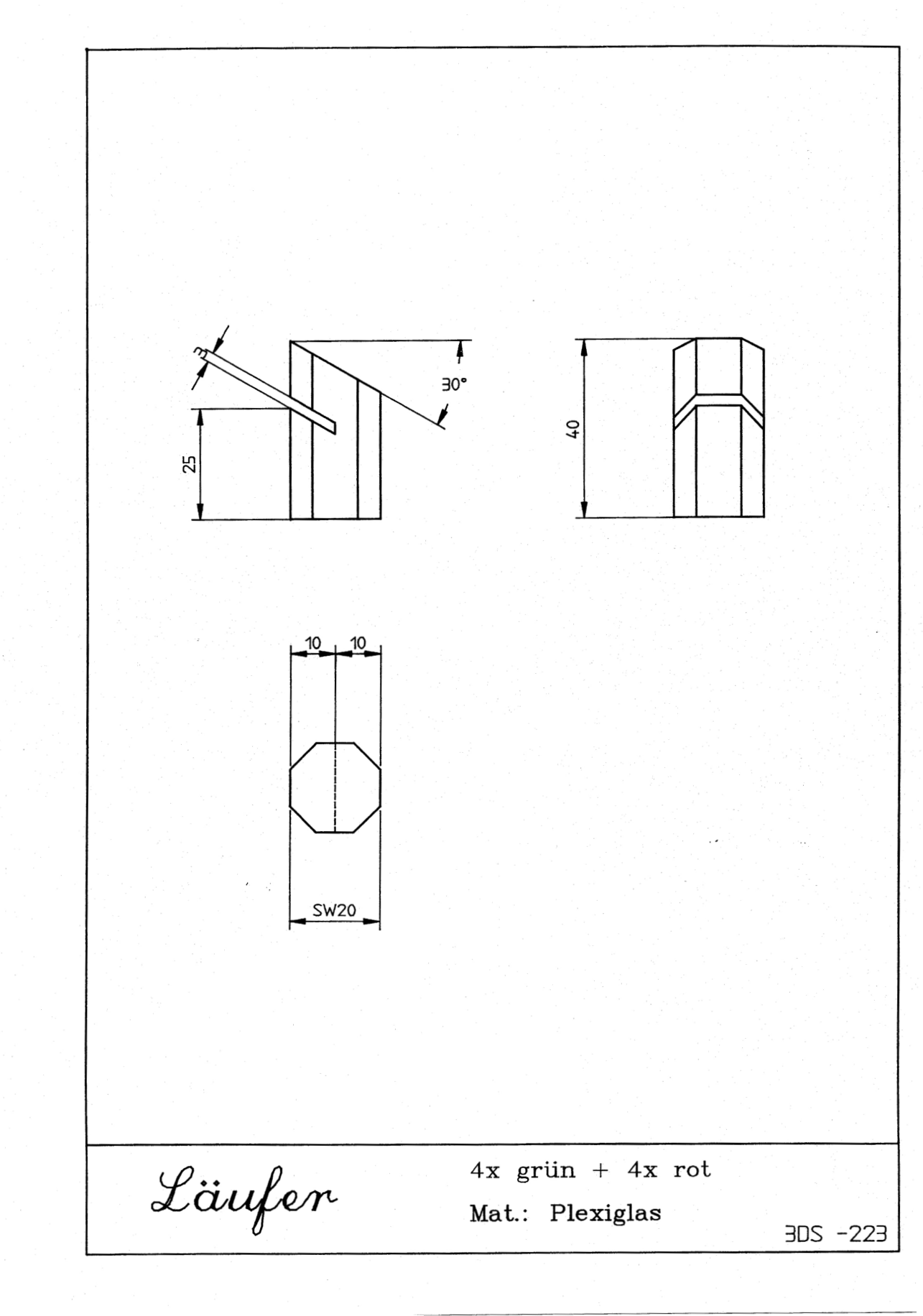
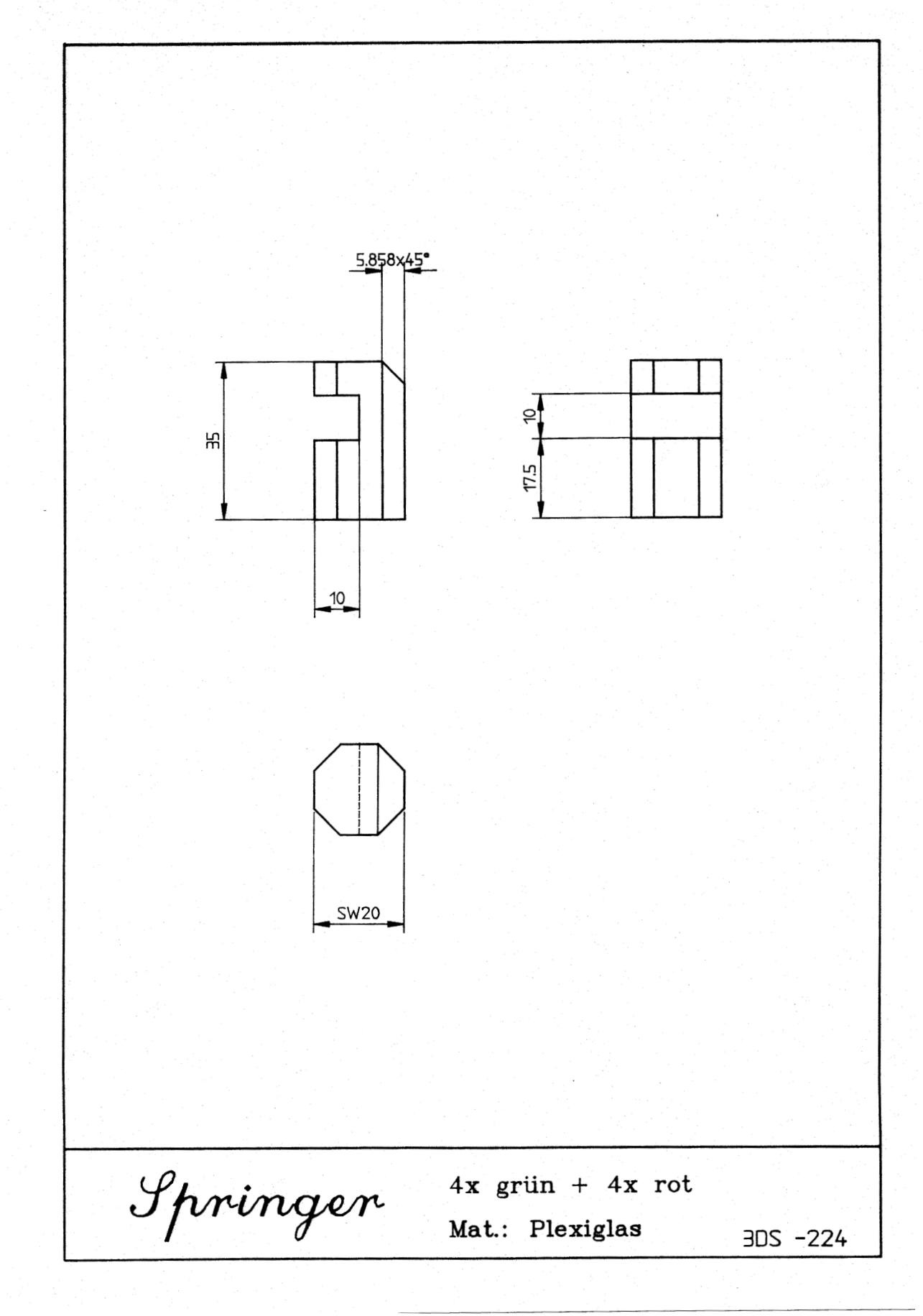
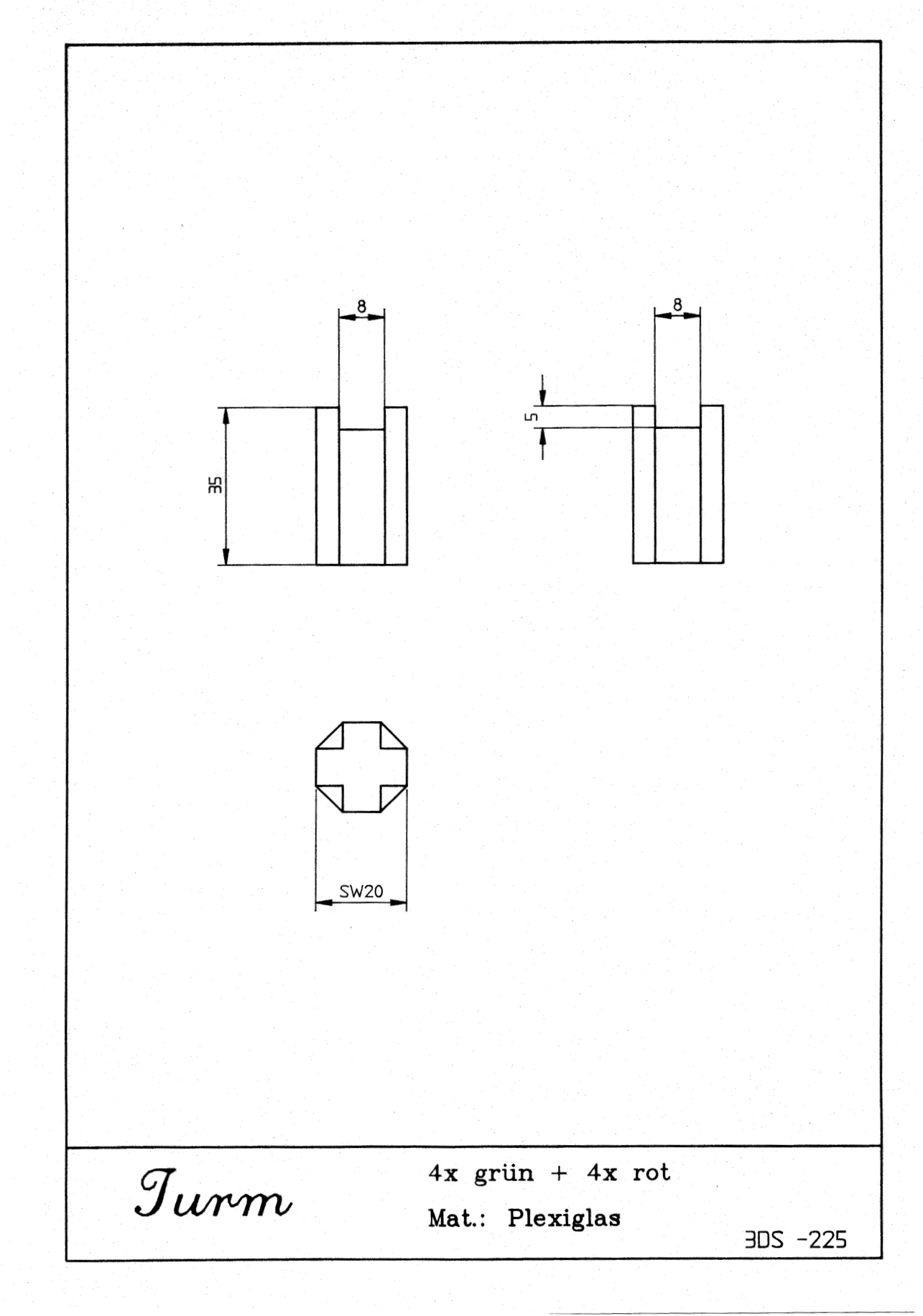
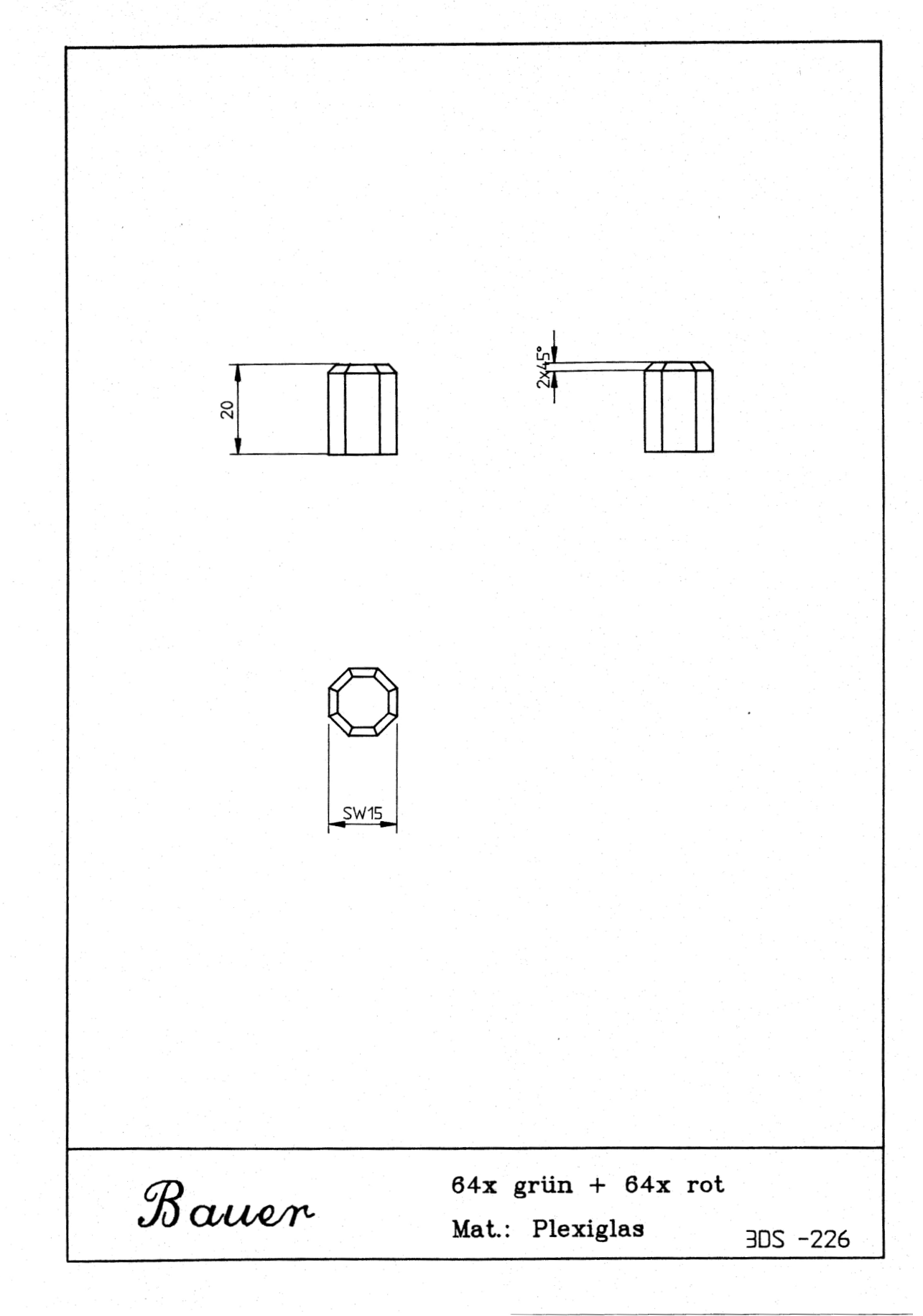
Historical manufacturing drawings for the HDC pieces milled from Plexiglas by apprentices. Source: HDC Owner.
The original labels are preserved. These sheets are presented as historical manufacturing documents, not as a current rules overview.
An hour before the first move
We played with the finished cube and enjoyed it. The main obstacle, however, was handling it: setting up the pieces alone took about an hour. Moving them between the layers was awkward too. Over time, it became difficult to find people willing to play on the physical cube.
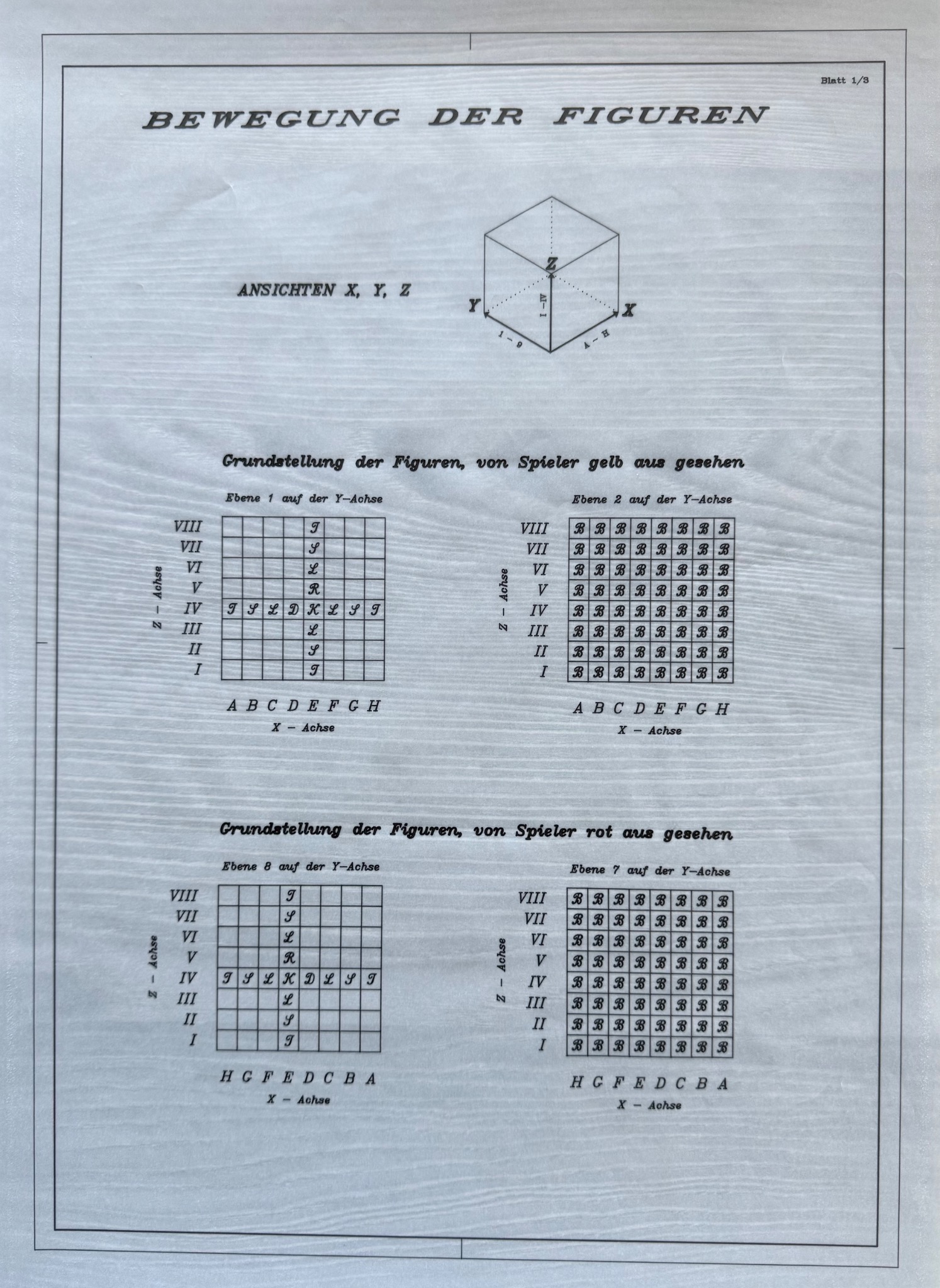
An idea stays in the living room
For many years, until 2025, the cube stood in my home as a living-room light. The idea remained, even though by then the cube was lit more often than it was played on.
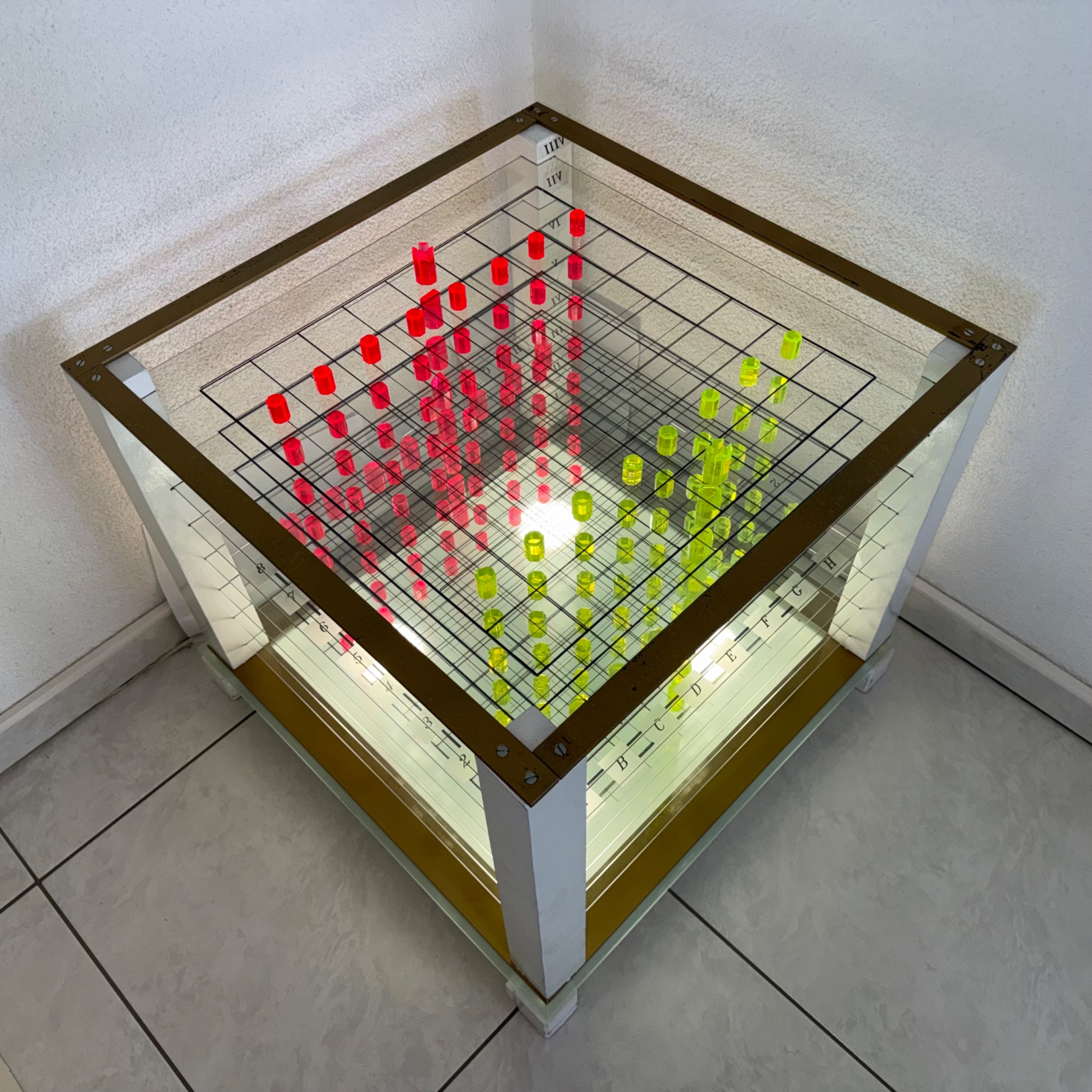
The person behind HDC: Torsten Klaus
I am a mechanical designer with further training in business administration. Today, I specialise in the digitalisation of business processes, particularly with ERP and PLM systems.
HyperDimension Chess brings together my professional background and my passion for chess: thinking an idea through in three dimensions, designing it and ultimately turning it into software. HDC is a personal project that has been with me since 1989.
From the living room to the screen
As early as 1990, I wanted to develop a computer version. The processing power of PCs at the time seemed insufficient for the project to me. Nor could I find a programmer who could implement it. For the time being, a digital version remained a wish.
In October 2025, I began implementing it in Xcode. AI as a development tool helped me bring the long-held plan to life. By March 2026, the first local version was playable. On 1 September 2026, I published HyperDimension Chess on the App Store.
Today, I can play my own game against the computer as well. The thought I had at the chessboard has become the digital version I had wanted back in 1990.
Video description
The recording shows the Mac app: a two-dimensional board view on the left and a spatial view of the same game on the right. Pieces are selected and moves made; both views show the changed position. There is no spoken commentary in the video.
Why the Ritter became the Duke
The additional HDC piece was originally called “Ritter”, the German word for knight. In English chess terminology, however, “Knight” already names the conventional knight. To avoid confusion, the additional piece was given the distinct name Duke. Its original name is still visible on the historical drawing.
A registered Swiss design
The physical HDC chess set was registered as a Swiss design with the Swiss Federal Institute of Intellectual Property (IPI). It was filed on 12 January 2026 and registered on 20 April 2026.
The register extract lists the “Schachspielset” (chess set) under design number 149095, application number 2026-00020 and reference number “HDC-A-01 (Hyperdimension-Chess)”. Torsten Klaus is listed as both owner and designer.
News and milestones
Published
HyperDimension Chess launches on the App Store
HyperDimension Chess was published on the App Store on 1 September 2026, making the digital version of the game publicly available.